Home Equipment Fluid Systems Lubrication Systems

Lubrication Systems

Oil analysis, contamination control, and automated lubrication system verification for plant-wide lubrication reliability.

Lubrication system maintenance is one of the most overlooked disciplines in industrial reliability, yet it directly influences the lifespan and performance of nearly every rotating and reciprocating asset in your facility. When lubrication systems fail, they rarely fail alone — they take bearings, gears, hydraulic actuators, and sealing surfaces with them. The resulting cascade of secondary damage often costs five to ten times more than the lubrication system repair itself. At Forge Reliability, we approach lubrication systems not as ancillary support equipment but as critical reliability assets that deserve the same monitoring rigor and maintenance precision applied to the machines they serve.
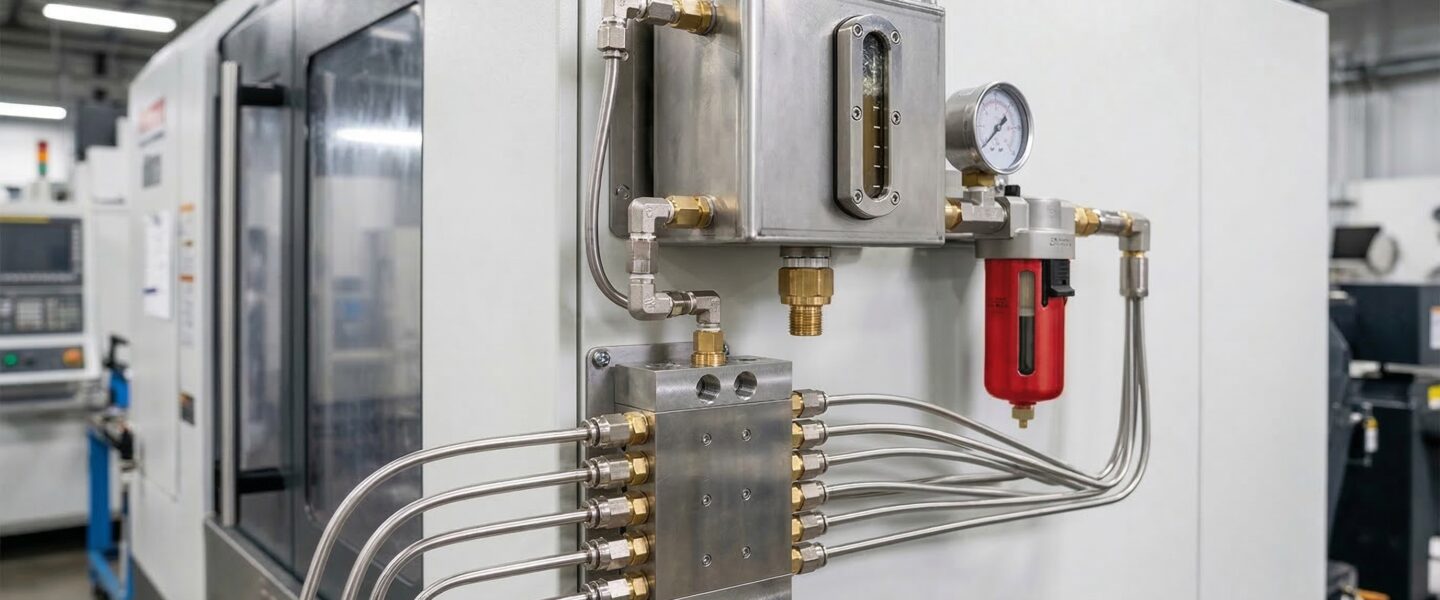
Lubrication System | Forge Reliability

Centralized lubrication systems, oil mist systems, circulating oil loops, automatic grease dispensers, and hydraulic power units all share a common vulnerability: they operate quietly in the background until something goes wrong. By the time an operator notices a low-oil-pressure alarm or a hot bearing, the damage window has already closed. The goal of a structured lubrication system maintenance program is to detect degradation in the lubrication delivery chain — from reservoir to point of application — before downstream equipment pays the price.


Why Do Lubrication Systems Deserve Dedicated Attention?

In most industrial facilities, lubrication tasks are scattered across general PM work orders — a line item that says “check oil level” or “grease motor bearings” buried among dozens of other inspection points. This fragmented approach treats lubrication as a task rather than a system, and it misses the interconnected failure modes that make lubrication problems so damaging. A circulating oil system is a engineered system with pumps, filters, coolers, control valves, reservoirs, distribution manifolds, and instrumentation. Each component can degrade independently, and each degradation mode affects the others.

Consider a circulating oil system serving a gearbox application. The oil pump develops internal wear that reduces flow rate by 15-20%. The reduced flow decreases heat removal capacity, causing oil temperature to rise. Elevated temperature accelerates oil oxidation, shortening the oil’s useful life and producing varnish and sludge. The varnish partially blocks filter elements, further restricting flow. The gearbox bearings now receive less oil at a higher temperature with degraded lubricant properties. What began as pump wear becomes a gearbox bearing failure — and the root cause is rarely identified because the investigation focuses on the bearing, not the lubrication delivery system that starved it.

Industry data shows that over 40% of bearing failures can be traced to lubrication-related causes — contamination, insufficient lubricant, wrong lubricant, or degraded lubricant that has lost its protective properties.

Contamination: The Silent Reliability Killer

Contamination is the single largest threat to lubrication system performance and the equipment it protects. Particulate contamination — dirt, wear debris, seal fragments, and process material ingression — accelerates abrasive wear on every wetted surface in the system. Water contamination reduces the oil film’s load-carrying capacity, promotes corrosion, and accelerates additive depletion. In hydraulic systems, contamination causes valve sticking, servo instability, and pump wear that progressively degrades system responsiveness.

The challenge is that contamination operates below the threshold of human perception. Oil that looks clean to the naked eye can contain particle concentrations high enough to dramatically shorten bearing life. A fluid that appears clear may contain 200-500 ppm of dissolved water — well above the threshold where moisture begins attacking additive packages and promoting rust on precision surfaces. This is why instrument-based contamination monitoring through oil analysis is essential for any serious lubrication system maintenance program.

Effective contamination control operates on three fronts simultaneously. Exclusion prevents contaminants from entering the system through breathers, seals, reservoir design, and transfer practices. Filtration removes contaminants that have entered the system, with filter ratings matched to the sensitivity of the most critical components in the circuit. Monitoring through scheduled oil sampling and analysis tracks contamination levels, identifies ingression sources, and confirms that exclusion and filtration measures are working.

Lubricant Degradation and Remaining Useful Life

All lubricants degrade over time through oxidation, thermal breakdown, additive depletion, and contamination accumulation. The rate of degradation depends on operating temperature, contaminant loading, lubricant base stock quality, and system design. Managing lubricant condition — rather than simply changing oil on a fixed calendar — is a fundamental shift that reduces both lubricant costs and equipment failure risk.

Oil analysis is the primary tool for tracking lubricant condition. A well-designed oil sampling program monitors viscosity, acid number, oxidation level, additive element concentrations, wear metal trends, particle counts, and moisture content. These parameters, trended over time and interpreted in context, reveal whether the lubricant is still protecting equipment adequately and how much useful life remains before a change is needed. Facilities that shift from time-based oil changes to condition-based changes routinely extend drain intervals by 30-50% on systems where the lubricant is well-maintained and contamination is controlled — reducing waste, procurement costs, and maintenance labor.


Condition Monitoring for Lubrication Systems

A comprehensive lubrication system maintenance strategy integrates multiple monitoring technologies to cover the full range of degradation modes. No single technique catches everything, and the most effective programs layer complementary methods to eliminate blind spots.

Oil Analysis Programs

Routine oil analysis forms the backbone of lubrication system condition monitoring. We design sampling programs with specific test slates matched to each system type. Circulating oil systems on critical gearboxes receive full elemental analysis, particle counting, viscosity, acid number, and moisture testing on a quarterly or monthly cycle. Hydraulic systems are monitored for particle counts, water, and viscosity with particular attention to servo valve cleanliness requirements — often ISO 16/14/11 or cleaner. Compressor lubricants are tested for viscosity, oxidation, and acid number given the high thermal and oxidative stress these fluids experience.

Sample quality is non-negotiable. A contaminated sample produces misleading results that can trigger unnecessary oil changes or — worse — provide false assurance that a degrading system is healthy. We specify dedicated sample valves installed in live zones of the circulating system, standardized sampling procedures, clean sample bottles, and chain-of-custody documentation that ensures every result is traceable and representative.

Thermographic Inspection

Infrared thermography reveals lubrication system problems that oil analysis cannot detect. Blocked cooler passages, partially closed control valves, cavitating pumps, and restricted distribution lines all produce thermal anomalies visible on an infrared image. A heat exchanger with 30% tube fouling shows a distinct thermal gradient between the inlet and outlet that deviates from the expected pattern for the current load condition. A distribution manifold with one blocked outlet shows a cold branch line while others run at normal temperature.

Combining oil analysis with thermographic inspection and vibration monitoring on lubrication system components creates a diagnostic picture that catches over 85% of developing problems before they affect the equipment being lubricated.

Vibration Monitoring on Lubrication Pumps

Lubrication system pumps — whether gear pumps, screw pumps, or centrifugal booster pumps — are rotating equipment subject to the same failure modes as any other pump in the facility. Bearing wear, coupling misalignment, cavitation, and internal wear all produce vibration signatures that can be detected and diagnosed through routine vibration data collection. Including lubrication system pumps in your vibration analysis route ensures that pump degradation is caught before flow reduction affects downstream equipment.


Building an Effective Lubrication System Maintenance Strategy

At Forge Reliability, we build lubrication system maintenance programs around three principles: keep the lubricant clean, keep it cool, and keep it flowing. Every maintenance task, monitoring point, and engineering improvement maps back to one of these objectives.

The first step is a comprehensive lubrication system audit that documents every system in the facility — what it serves, how it operates, what lubricant it contains, what filtration and contamination control measures are in place, and what its current condition is. This baseline assessment identifies the highest-risk systems and the most impactful improvements. It is common to find that a facility has dozens of lubrication systems but that fewer than half have adequate filtration, proper breathers, or dedicated sample points.

From the audit, we develop a prioritized improvement plan. Quick wins typically include upgrading desiccant breathers to replace open vents, installing sample valves for oil analysis access, and correcting lubricant cross-contamination risks where multiple lubricant types share storage or transfer equipment. Longer-term improvements may include adding kidney-loop filtration to reservoirs, upgrading cooler capacity on thermally stressed systems, and installing flow or pressure instrumentation that enables real-time monitoring of lubricant delivery.

What Results to Expect

Facilities that invest in structured lubrication system maintenance see measurable results across multiple performance indicators. Bearing replacement rates on lubricated equipment typically decline by 25-40% within the first two years as contamination and lubricant degradation — the leading causes of premature bearing failure — are brought under control. Unplanned downtime events related to lubrication failures decrease as monitoring catches developing problems with enough lead time for planned repair. Lubricant consumption drops as condition-based changes replace conservative time-based schedules, and lubricant waste disposal costs decline proportionally.

Perhaps most importantly, the maintenance team gains visibility into a category of equipment that was previously managed by assumption. When lubrication system health is monitored and trended, decisions about oil changes, filter replacements, cooler cleaning, and pump rebuilds are made based on evidence rather than guesswork. That shift — from reactive guessing to proactive management — is the foundation of reliability improvement for every piece of equipment these systems serve.

Failure Modes

Common Lubrication System Reliability & Maintenance Failure Modes

Engineers often arrive searching for specific failures. Here are the most common issues we diagnose and resolve.

Pump Wear and Flow Reduction

Lubrication system pumps lose output from internal wear, scoring, seal degradation, and coupling failures, reducing flow to lubrication points below the minimum required to maintain protective film thickness at bearing and gear surfaces.

Key symptom: Declining lubrication system pressure with flow meter readings below design values and bearing temperatures trending upward at served equipment

Get Help With This →

Filter Element Plugging and Bypass

Filter elements load with contaminant particles and degrade from chemical exposure, eventually reaching differential pressure limits that open bypass valves and allow unfiltered oil to circulate through the lubrication circuit.

Key symptom: Filter differential pressure alarm activation with particle counts in downstream oil samples exceeding cleanliness targets

Get Help With This →

Water Contamination of Lubricant

Water enters lubrication systems through cooler tube leaks, seal failures, condensation from temperature cycling, and process fluid ingression, degrading lubricant film strength, accelerating additive depletion, and promoting corrosion on lubricated surfaces.

Key symptom: Oil appearance changes (cloudy or milky) with oil analysis showing moisture content above acceptable limits and increasing machine component wear rates

Get Help With This →

Lubricant Oxidation and Degradation

Thermal stress, catalytic metals, water, and air exposure cause lubricant base oil oxidation and additive depletion, increasing viscosity and acid number while reducing the lubricant's ability to form protective films and control deposits.

Key symptom: Oil analysis showing rising acid number, increasing viscosity, darkening color, and varnish or sludge deposits visible in reservoir and on machine surfaces

Get Help With This →

Distribution System Blockage

Lubrication distribution lines, divider blocks, injectors, and metering valves become blocked by sludge, varnish, contamination, and frozen grease in cold environments, preventing lubricant delivery to individual lubrication points while system pressure may appear normal.

Key symptom: Individual bearing or lubrication point temperatures rising with lubrication system cycle counter or flow indicator showing no delivery at affected points

Get Help With This →

Diagnostic Methods

Diagnostic Techniques We Use

Oil Analysis with Multi-Parameter Trending

Regular sampling and laboratory analysis of system oil for viscosity, acid number, base number, moisture, particle count, wear metals, and additive element concentrations provides comprehensive tracking of lubricant condition, contamination, and machine component wear rates.

Particle Count Monitoring per ISO 4406

Online or laboratory particle counting reported per ISO 4406 cleanliness codes tracks contamination levels and filter performance, providing the single most impactful reliability metric for oil-lubricated machinery since contamination level directly correlates with component wear rate and life.

Filter Differential Pressure Monitoring

Continuous measurement of pressure drop across filter elements detects element loading and bypass valve activation, ensuring filtration is actively removing contaminant particles rather than bypassing contaminated oil directly to machine components.

Flow and Pressure Monitoring

Pressure transmitters, flow meters, and cycle counters on centralized lubrication systems verify pump output, system pressure, and lubricant delivery to individual points, detecting pump wear, line blockages, and divider block malfunctions before served equipment is damaged.

Reservoir Condition Management

Monitoring reservoir oil level, temperature, headspace humidity, and visual condition detects leaks, cooler failures, water ingression, and lubricant degradation, while breather desiccant condition monitoring prevents airborne contamination entry through reservoir vents.

Services

Services for Lubrication System Reliability & Maintenance

Service

Asset Management for Lubrication Systems

Asset Management programs for Lubrication Systems, targeting common failure modes and degradation mechanisms.

Learn More →
Service

CMMS Implementation for Lubrication Systems

Our team supports CMMS implementation for lubrication systems, targeting pump wear, filter element clogging, and related degradation mechanisms before they...

Learn More →
Service

Condition Monitoring for Lubrication Systems

Our team establishes continuous condition monitoring programs for lubrication systems, targeting pump wear, filter element clogging, and related degradation...

Learn More →
Service

Dynamic Balancing for Lubrication Systems

Our team provides precision balancing for lubrication systems, targeting pump wear, filter element clogging, and related degradation mechanisms before they...

Learn More →
Service

Equipment Condition Assessment for Lubrication Systems

Our team provides comprehensive condition assessments for lubrication systems, targeting pump wear, filter element clogging, and related degradation...

Learn More →
Service

Equipment Maintenance for Lubrication Systems

Our team delivers comprehensive maintenance programs for lubrication systems, targeting pump wear, filter element clogging, and related degradation...

Learn More →
Service

FMEA for Lubrication Systems

Our team conducts failure mode and effects analysis for lubrication systems, targeting pump wear, filter element clogging, and related degradation...

Learn More →
Service

Maintenance Outsourcing for Lubrication Systems

Our team provides outsourced maintenance for lubrication systems, targeting pump wear, filter element clogging, and related degradation mechanisms before...

Learn More →
Service

Maintenance Planning for Lubrication Systems

Our team develops maintenance planning and scheduling for lubrication systems, targeting pump wear, filter element clogging, and related degradation...

Learn More →
Service

Motor Current Analysis for Lubrication Systems

Our team applies motor current signature analysis to lubrication systems, targeting pump wear, filter element clogging, and related degradation mechanisms...

Learn More →
Service

Oil Analysis for Lubrication Systems

Our team applies oil analysis programs to lubrication systems, targeting pump wear, filter element clogging, and related degradation mechanisms before they...

Learn More →
Service

Plant Optimization for Lubrication Systems

Our team drives plant optimization through improved management of lubrication systems, targeting pump wear, filter element clogging, and related degradation...

Learn More →
Service

Precision Shaft Alignment for Lubrication Systems

Our team provides precision alignment for lubrication systems, targeting pump wear, filter element clogging, and related degradation mechanisms before they...

Learn More →
Service

Predictive Maintenance for Lubrication Systems

Our team applies predictive maintenance technologies to lubrication systems, targeting pump wear, filter element clogging, and related degradation...

Learn More →
Service

Preventive Maintenance for Lubrication Systems

Our team builds structured preventive maintenance programs for lubrication systems, targeting pump wear, filter element clogging, and related degradation...

Learn More →
Service

RCM for Lubrication Systems

Our team applies RCM methodology to lubrication systems, targeting pump wear, filter element clogging, and related degradation mechanisms before they cause...

Learn More →
Service

Reliability Consulting for Lubrication Systems

Our team applies reliability consulting methodology to lubrication systems, targeting pump wear, filter element clogging, and related degradation mechanisms...

Learn More →
Service

Root Cause Analysis for Lubrication Systems

Our team investigates failures in lubrication systems, targeting pump wear, filter element clogging, and related degradation mechanisms before they cause...

Learn More →
Service

Thermographic Inspection for Lubrication Systems

Our team applies infrared thermography to lubrication systems, targeting pump wear, filter element clogging, and related degradation mechanisms before they...

Learn More →
Service

Ultrasonic Testing for Lubrication Systems

Our team applies ultrasonic testing methods to lubrication systems, targeting pump wear, filter element clogging, and related degradation mechanisms before...

Learn More →
Service

Vibration Analysis for Lubrication Systems

Our team applies vibration analysis to lubrication systems, targeting pump wear, filter element clogging, and related degradation mechanisms before they...

Learn More →

Industries

Industries That Rely on Lubrication System Reliability & Maintenance

Industry

Lubrication Systems Reliability for Automotive

Lubrication Systems reliability and predictive maintenance programs designed for automotive operating environments and compliance requirements.

Learn More →
Industry

Lubrication Systems Reliability for Cement & Aggregates

Lubrication Systems reliability and predictive maintenance programs designed for cement & aggregates operating environments and compliance requirements.

Learn More →
Industry

Lubrication Systems Reliability for Chemical Processing

Lubrication Systems reliability and predictive maintenance programs designed for chemical processing operating environments and compliance requirements.

Learn More →
Industry

Lubrication Systems Reliability for Food & Beverage

Lubrication Systems reliability and predictive maintenance programs designed for food & beverage operating environments and compliance requirements.

Learn More →
Industry

Lubrication Systems Reliability for Industrial Refrigeration

Lubrication Systems reliability and predictive maintenance programs designed for industrial refrigeration operating environments and compliance requirements.

Learn More →
Industry

Lubrication Systems Reliability for Logistics & Distribution

Lubrication Systems reliability and predictive maintenance programs designed for logistics & distribution operating environments and compliance requirements.

Learn More →
Industry

Lubrication Systems Reliability for Manufacturing

Lubrication Systems reliability and predictive maintenance programs designed for manufacturing operating environments and compliance requirements.

Learn More →
Industry

Lubrication Systems Reliability for Metals & Steel

Lubrication Systems reliability and predictive maintenance programs designed for metals & steel operating environments and compliance requirements.

Learn More →
Industry

Lubrication Systems Reliability for Mining

Lubrication Systems reliability and predictive maintenance programs designed for mining operating environments and compliance requirements.

Learn More →
Industry

Lubrication Systems Reliability for Oil & Gas

Lubrication Systems reliability and predictive maintenance programs designed for oil & gas operating environments and compliance requirements.

Learn More →
Industry

Lubrication Systems Reliability for Pharmaceutical

Lubrication Systems reliability and predictive maintenance programs designed for pharmaceutical operating environments and compliance requirements.

Learn More →
Industry

Lubrication Systems Reliability for Plastics & Rubber

Lubrication Systems reliability and predictive maintenance programs designed for plastics & rubber operating environments and compliance requirements.

Learn More →
Industry

Lubrication Systems Reliability for Power Generation

Lubrication Systems reliability and predictive maintenance programs designed for power generation operating environments and compliance requirements.

Learn More →
Industry

Lubrication Systems Reliability for Pulp & Paper

Lubrication Systems reliability and predictive maintenance programs designed for pulp & paper operating environments and compliance requirements.

Learn More →
Industry

Lubrication Systems Reliability for Water & Wastewater

Lubrication Systems reliability and predictive maintenance programs designed for water & wastewater operating environments and compliance requirements.

Learn More →

Technical Reference

Technical Overview

Lubrication systems are the lifeblood of rotating equipment reliability. Common failure modes include filter clogging, pump wear, contamination ingress, and oil degradation. Oil analysis programs, visual inspections, and automated lubrication monitoring help maintain optimal lubricant conditions across all critical assets.

Common Questions

FAQ

Research and field data consistently demonstrate that contamination level is the dominant factor controlling bearing life in oil-lubricated applications. Improving oil cleanliness by one ISO 4406 code level (for example, from 19/17/14 to 18/16/13) can approximately double bearing L10 life. Conversely, operating at contamination levels two codes above target can reduce bearing life by 75%. This relationship makes contamination control through proper filtration, sealing, breather maintenance, and oil handling practices the single most cost-effective strategy for extending bearing and gear life across an entire facility.

Limited Availability
We onboard a limited number of new facilities each quarter. Secure your assessment slot before our current availability closes. Reserve Your Spot →

Get Started

Request a Free Reliability Assessment

Tell us about your equipment and facility. Our reliability team will review your situation and recommend a tailored reliability program — no obligation.

Free initial assessment
Response within 1 business day
No obligation or commitment

No obligation. Typical response within 24 hours.

Having Problems With Your Lubrication Systems?

Claim Your Free Assessment →