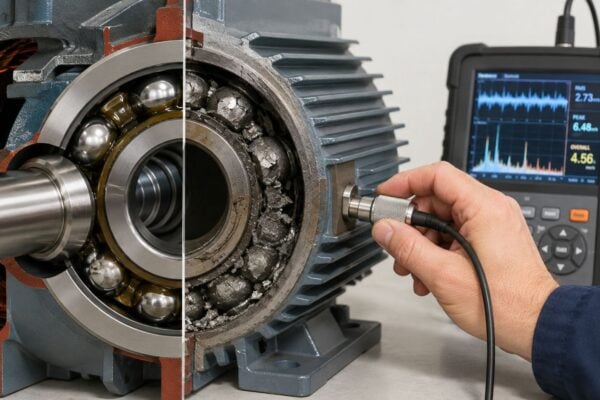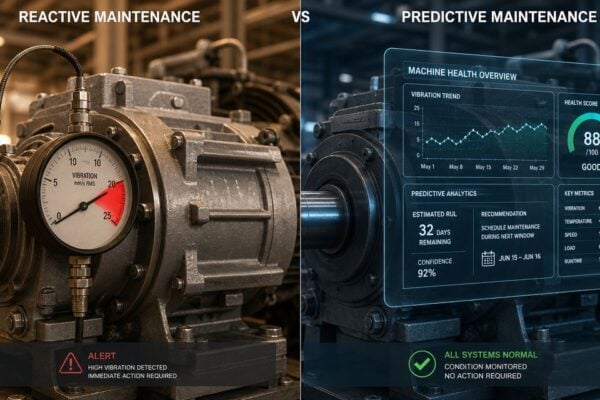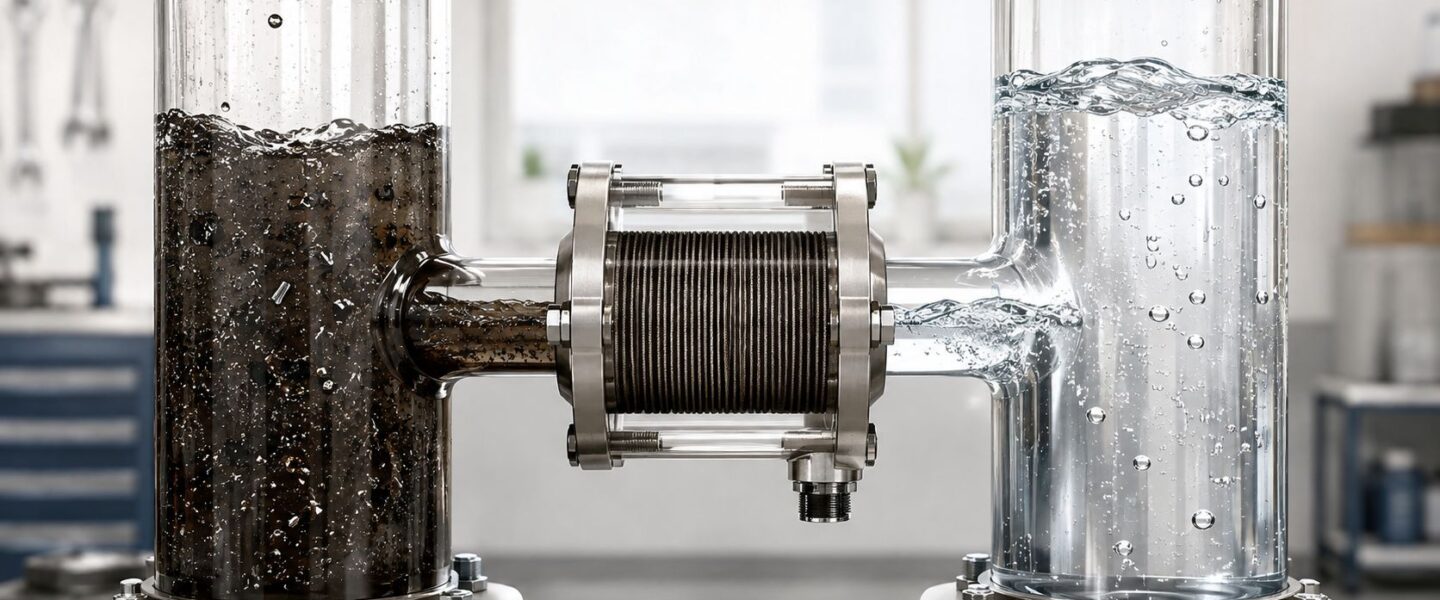
A hydraulic system can look healthy on the outside and still be failing inside the circuit. One industry guide says 70% to 90% of hydraulic wear and failure is contamination-related, and another notes that more than 75% of all system failures are a direct result of contamination or contaminated fluid (hydraulic contamination and failure data, contamination as the dominant failure driver). That makes hydraulic fluid contamination a reliability problem first, not a lubrication nuisance.
The practical issue is that contamination isn't one thing. Solid particles, water, and air behave differently, damage components differently, and demand different controls (contamination categories in hydraulic fluids). A plant that treats all dirty oil the same usually spends more on filters than it needs to, while still missing the ingress path.
Table of Contents
- The True Cost of Hydraulic Fluid Contamination
- Failure Mechanisms and Component Damage
- Hidden Ingress Pathways and Clean Fluid Logistics
- Diagnostic Techniques and Oil Analysis Best Practices
- Implementing ISO Cleanliness Targets and Controls
- Building a Sustainable Contamination Control Program
- Next Steps for Reliability Improvement
The True Cost of Hydraulic Fluid Contamination
A historic survey of 143 Naval aircraft hydraulic systems found a mean contamination level around ISO Class 4, but about one-fourth of the systems were dirtier than the recommended Class 5 limit and more than 10% were dirtier than Class 6. The report concluded that about 25% exceeded the maximum level recommended for reliable, trouble-free operation (Naval aircraft hydraulic survey). That's the kind of spread reliability teams see in plants too, only with production attached to every failure.
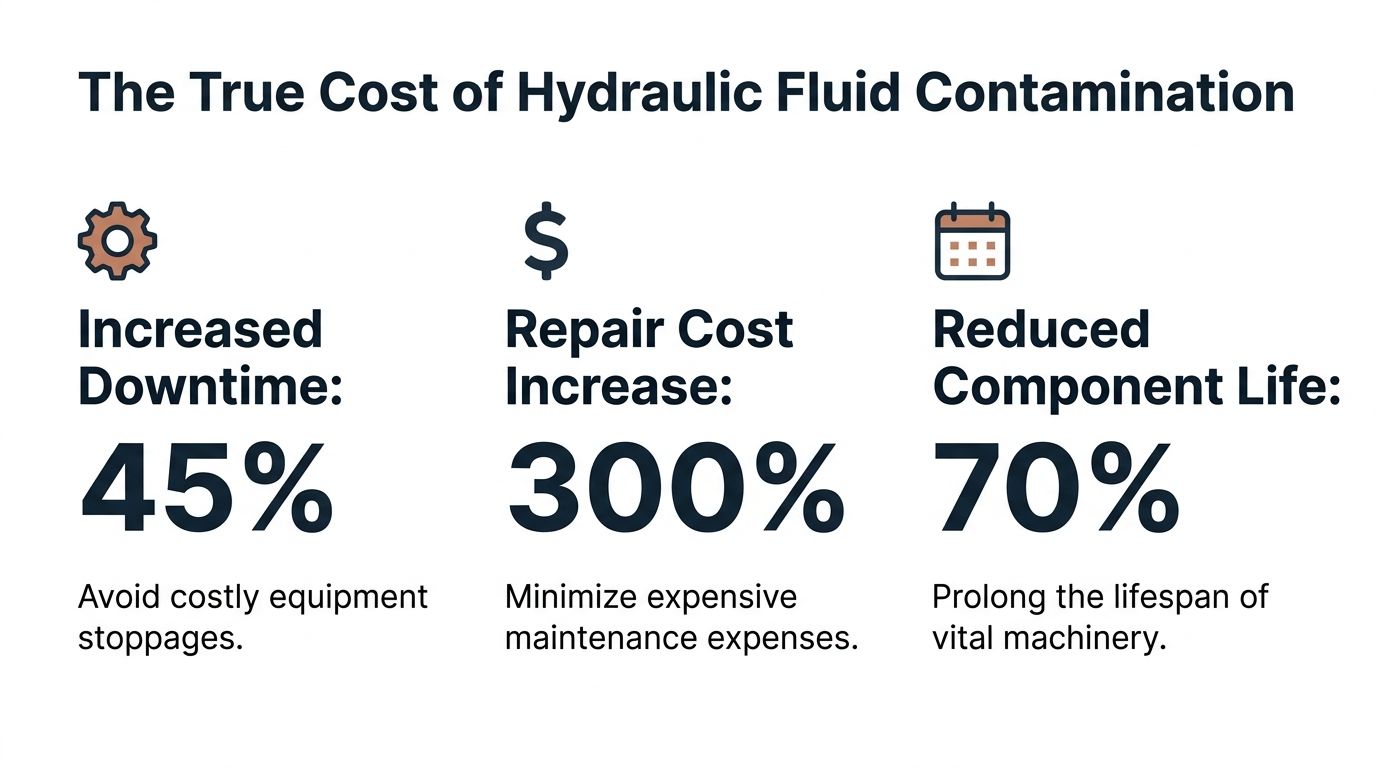
Contamination is a system-wide reliability problem
Hydraulic circuits don't fail in one neat way. Particles create wear, water changes fluid behavior and promotes corrosion, and air contributes to aeration and erratic response. Once a machine starts drifting, hunting, or slowing down, the root cause is often already spread across pump internals, valve spools, cylinder seals, and the reservoir.
A better way to think about the cost is by failure mode, not by maintenance expense line item. A contaminated circuit can erode efficiency before anyone notices, and one industry guide says that performance can drop by up to 20% before symptoms become obvious, such as cylinder drift, jerky steering, or slower motion (wear and efficiency impact of contamination). That means the machine may be paying a hidden energy and throughput tax long before it breaks.
Practical rule: if a hydraulic unit starts acting “a little off,” the oil has often been degrading the system for weeks already.
Why the three contamination types matter
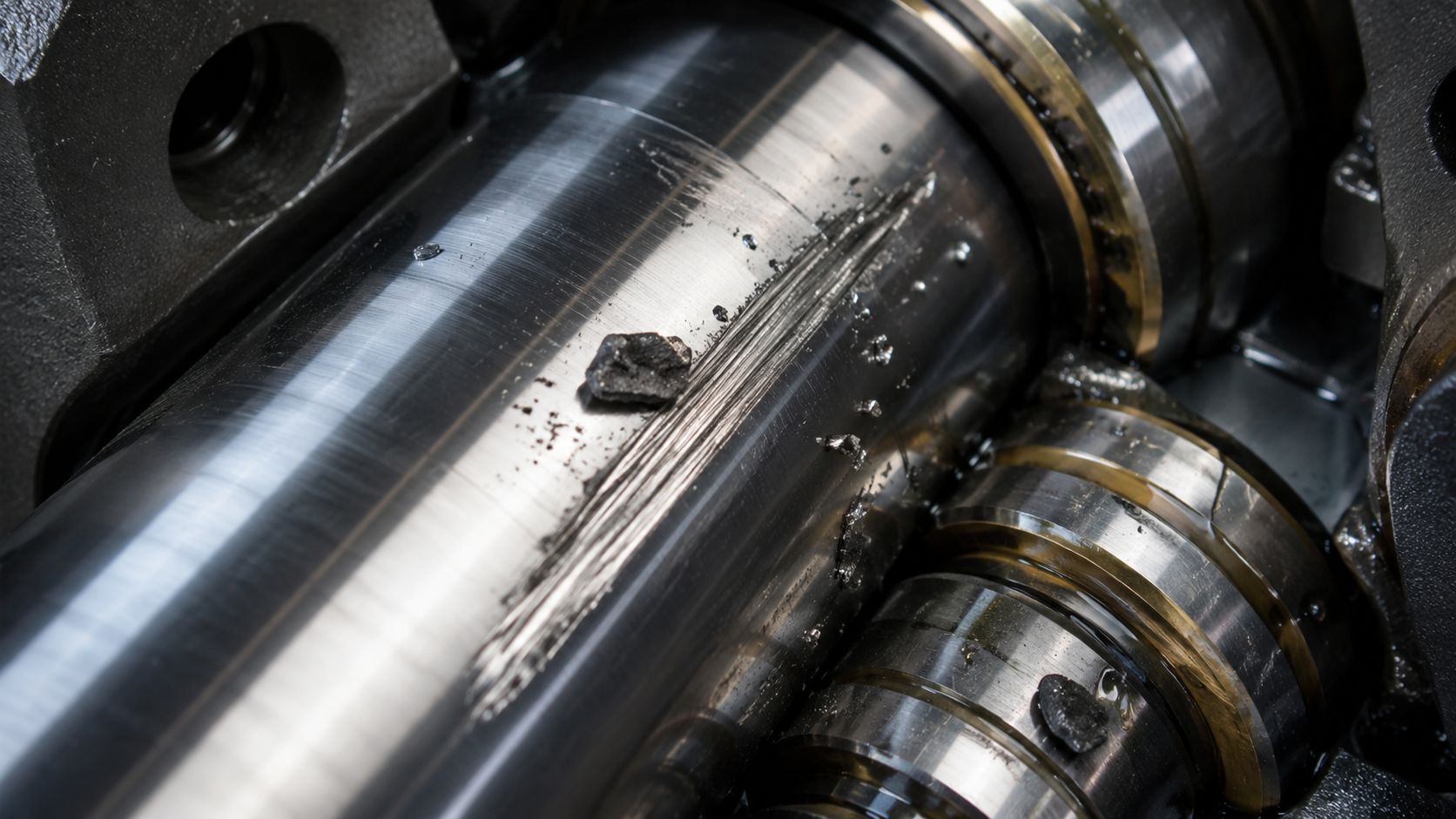
Solid contamination is the one pictured first. Water contamination is the one that often gets underestimated because it can hide in emulsions or phase-separate in the reservoir. Air contamination is trickier still, because it may show up as noisy pumps, spongy actuation, or inconsistent motion instead of obvious debris.
The distinction matters because a filtration-only mindset misses half the problem. A machine in a steel mill, for example, may need particle control at the filter housing, water control at the storage and transfer point, and air control through reservoir design and maintenance practice. That's why contamination control has to follow the fluid through storage, transfer, installation, operation, and service, not just through the filter head.
For teams trying to connect reliability work to cost reduction, this is the place to start, since contamination control usually protects both uptime and maintenance budget. A useful reference point for that discussion is Forge Reliability's maintenance cost reduction overview, which fits the same business logic seen on the plant floor.
Failure Mechanisms and Component Damage
A paper mill once had a hydraulic cylinder that started drifting between shifts. The maintenance crew blamed the cylinder seals first, then the valve, then the pump. The actual sequence was more mundane and more expensive, fine abrasive particles scored the valve spool, internal leakage rose, heat built in the oil, and the cylinder lost positional stability.
How particles damage precision surfaces
Abrasive particles act like cutting media on pump internals, valve spools, and cylinder bores. As they move through tight clearances, they scratch metal surfaces, widen leakage paths, and accelerate a self-reinforcing wear cycle. That wear doesn't stay local, because leakage raises temperature, temperature thins the oil, and thinner oil reduces film strength on the next pass.
The damage is especially severe in precision control circuits. A valve spool with scoring can stick, chatter, or respond inconsistently, which operators often describe as jerky steering, erratic motion, or hunting. In a mobile hydraulic system, that can be a safety and control issue. In a press or molding machine, it becomes a quality issue because actuator repeatability drops.
Why water changes the failure pattern
Water doesn't just “contaminate” oil, it changes the oil's behavior. Technical reviews note that water is a poor lubricant and, at significant concentrations, reduces viscosity, load-carrying ability, and hydrodynamic-film thickness, which increases metal-to-metal contact and wear (water contamination effects on hydraulic fluid). When water combines with particulates, insoluble precipitates, sludges, and gels can form, which clog orifices and valves and put extra stress on pumps.
That combination creates a different diagnostic signature than dirt alone. Corrosion spots, varnish-like deposits, cavitation marks, and seal degradation usually mean the fluid has been attacked from more than one direction. A food and beverage plant with washdown exposure, for example, may see water-related reliability issues long before it sees catastrophic mechanical failure.
Oil condition problems usually look like mechanical trouble at first, then reveal themselves as fluid problems after the teardown.
Reading the symptoms without guessing
The safest diagnostic habit is to match the symptom to the likely contaminant mechanism. Cylinder drift suggests leakage and wear. Jerky steering suggests valve restriction or spool instability. Slower performance often points to combined wear, leakage, and heat.
That logic keeps maintenance from replacing good parts prematurely. It also prevents the common mistake of blaming a component that's showing the effects of upstream contamination. When the failure signature includes heat, leakage, and loss of smooth motion together, the fluid deserves attention before the hardware does.
Hidden Ingress Pathways and Clean Fluid Logistics
A hydraulic system can fail on contamination long before the oil looks dirty in the tank. The cost usually starts upstream, in the drum, the transfer cart, the breathers, and the maintenance routine that moves fluid from storage to the machine. Plants that focus only on filtration hardware miss the problem, especially on sensitive circuits such as servo-controlled injection molding systems or precision presses.
Clean fluid starts in storage and transfer
Industry guidance groups built-in particles, ingested particles, and generated particles as the main entry routes, and it also points to maintenance activity and reservoir headspace as common sources of ingression (clean fluid logistics and contamination ingress). The practical point is straightforward. If the drum, tote, transfer cart, or service procedure is dirty, the reservoir is the final collection point for contamination introduced upstream.
New oil is not always clean enough for the machine it is entering. A fluid can arrive filtered to a level that sounds acceptable on paper and still be too dirty for sensitive circuits. That matters in high-precision equipment where clearances are measured in microns, because a few careless handling steps can erase the value of expensive filtration hardware.
Practical rule: if a plant cannot explain how oil stays clean from supplier to reservoir, it does not really have a contamination control program.
Where contamination sneaks in
Ingress often comes from the parts people touch every day. A contamination control whitepaper reports that oil seals account for 30% of contaminant ingression, while service debris and repairs and oil changes or makeup oil each account for 15% (ingress pathway data). Those figures push attention toward seal health, clean service practices, and breather management instead of treating filtration as the only control point.
Clean fluid logistics ties those weak points together. The better plants treat receiving, storage, transfer, and maintenance openings as one chain. They keep drums sealed, use dedicated transfer gear, protect reservoir breathers, and control how the system is opened during service. That is the work that keeps contamination from entering in the first place.
For a broader maintenance framework that supports those habits, Forge Reliability's lubrication systems page fits naturally into a plant-level program.
Diagnostic Techniques and Oil Analysis Best Practices
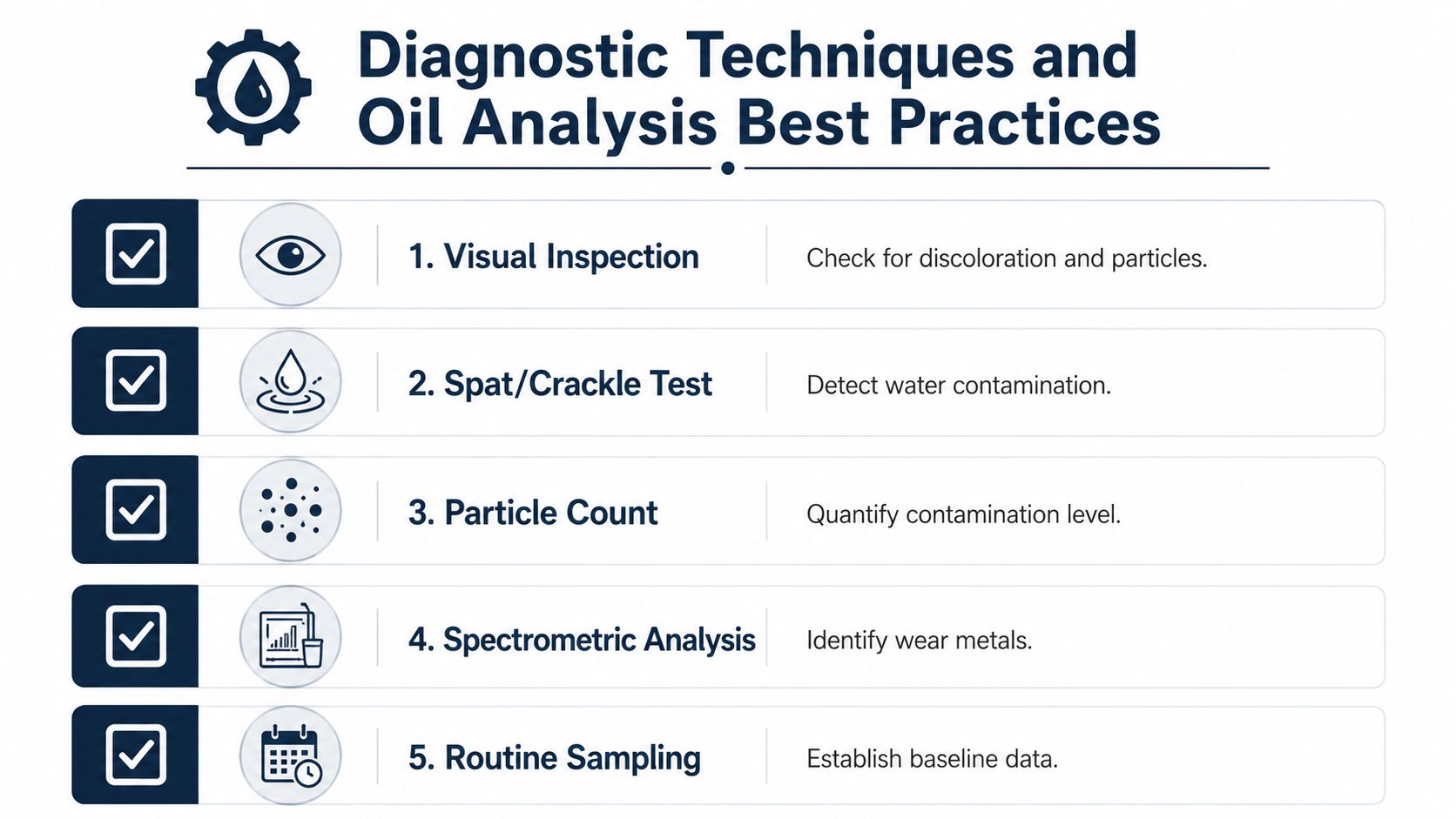
A hydraulic reservoir can look acceptable and still carry water, wear debris, and oxidation byproducts. A practical diagnostic program starts with quick field checks for immediate decisions, then moves to lab analysis for the deeper picture. In a rolling line, that split matters. It tells a crew whether to plan a short service window or hold the machine until condition-based repair is justified.
Field checks that catch obvious water problems
Hydraulic fluid often turns milky when water is present. That visual sign does not finish the diagnosis, but it is a fast warning that the fluid has moved into a range where reliability is at risk. The spat/crackle test gives another field check. A few drops of oil are heated above boiling but below 176°C (350°F), and bubbling or sizzling points to unacceptable water content (field checks for hydraulic water contamination).
Sampling location matters as much as the test itself. When a machine is stopped, water often settles at the bottom of the reservoir, so a bottom sample is more representative than a top-side grab sample for detecting phase-separated water. That small detail is where a lot of false confidence starts. A sample taken from the wrong point can make a wet system look clean.
Lab testing answers the harder question
Particle counts tell part of the story, but they do not explain why a circuit is sticking or why the oil is aging. A solid lab program pairs contamination monitoring with tests that track water and chemical-condition changes, because hydraulic fluid fails from combined solid, water, and air contamination, not from one neat mechanism.
The useful question is not only “is the oil dirty,” but “what contaminant mechanism is driving this machine's behavior?”
Routine sampling turns that question into a decision tool instead of a calendar task. A plant that samples the same asset the same way each time can build a baseline, spot drift, and separate normal wear from abnormal ingress. Good results depend on more than the bottle and the lab form. They depend on clean sampling points, consistent handling, and a storage and transfer routine that does not contaminate the sample before it ever reaches analysis. For teams formalizing that practice, the oil sampling and analysis resource supports a disciplined routine without turning the process into guesswork.
Implementing ISO Cleanliness Targets and Controls
ISO cleanliness targets only work when the whole circuit is managed around them. A target without hardware, procedures, and maintenance discipline is just a number on a report. In a metal-forming press, for instance, a clean oil target won't hold if breather maintenance is ignored and the reservoir seal keeps pulling in ambient dirt.
Filtration is necessary, but it isn't enough
Filtration removes particles already in the fluid. It does not stop contamination at the drum, the transfer hose, the maintenance funnel, or the reservoir vent. That's why plants that focus only on finer filters often discover that the contamination source moved upstream, not that the problem disappeared.
The practical response is to match filtration to sensitivity. Return-line filtration helps capture circulating wear debris, pressure-line filtration protects sensitive components, and offline cleaning can condition the reservoir without interrupting production. For water contamination, dehydration may be the better answer than particle filtration, because water changes the oil's lubricating behavior and can create sludge or corrosion.
Decisions that work at the machine level
Seal integrity and breather management are usually the first low-cost wins. If a seal leaks or a breather is exposed, even excellent filtration gets dragged into a losing battle. A well-sealed reservoir and a proper breather keep the circuit from loading up with ingressed dirt every time the system cycles or the temperature changes.
The trade-off is cost and sensitivity. Finer filtration can protect precise circuits, but it also raises pressure drop and maintenance demand if the rest of the circuit is sloppy. That's why the best control strategy is balanced, not maximal, with the cleaning effort focused where contamination enters.
Clean oil is a logistics problem as much as it is a filtration problem.
For plants deciding how to align testing, filtration, and target setting around actual operating risk, Forge Reliability's hydraulic systems oil analysis guidance gives a useful reference point for the same reliability decisions.
Building a Sustainable Contamination Control Program
A real contamination control program works only when operators, technicians, and reliability engineers all treat oil as an asset, not a consumable. That means the person topping off a reservoir, the mechanic changing a hose, and the engineer reviewing the trend data all need the same expectations around cleanliness. In an automotive plant with high-cycle hydraulics, that shared discipline is often the difference between steady throughput and recurring nuisance failures.
Culture matters because contamination is introduced by routine work
The hidden failure mode here is normal maintenance. Opening a reservoir, swapping a filter, or transferring oil from storage can introduce contamination if the process is casual. Training has to cover clean handling, not just machine safety, because the cleanest hardware in the building won't compensate for a dirty transfer habit.
Monitoring discipline matters too. Online and portable sensors can support a continuous view of contamination and water, while lab tests catch aging and chemistry changes that particle counts won't show. The plant gains the most when those two views are used together instead of as separate silos.
Use data to justify the right investments
A contamination control program shouldn't ask for money on faith. It should show where contamination enters, how often it recurs, and which assets are most sensitive to the issue. That's the level where capital planning for storage improvements, transfer equipment, better breathers, or upgraded filtration becomes a reliability decision instead of a maintenance preference.
For teams building that discipline into a larger reliability system, the 12-month reliability roadmap resource provides a practical structure for prioritizing the work. A helpful supplemental reference for automation-heavy environments is kluber lubrication for automation, especially where cleanliness and repeatability are tied closely to control performance.
Next Steps for Reliability Improvement
Hydraulic fluid contamination is expensive because it hides in plain sight, enters through routine work, and damages precision surfaces long before a machine stops. The plants that win on this issue don't just buy finer filters, they control fluid logistics, sample intelligently, and train the people who touch the system every day.
The next move is straightforward. Identify the machines with the highest downtime exposure, review how oil enters and exits those systems, and compare the current cleanliness target with the actual condition of the fluid and the reservoir hardware. That combination usually reveals the fastest risk reduction opportunities.
Forge Reliability can help plant teams turn that review into a practical contamination control plan, with fluid cleanliness monitoring, sampling discipline, and reliability consulting aligned to the assets that matter most. For a free reliability assessment, visit Forge Reliability and request a review of the hydraulic circuits that can't afford another contamination-driven outage.
Forge Reliability helps plant teams identify contamination risks, set practical cleanliness targets, and build maintenance routines that protect hydraulic uptime. For a free reliability assessment, visit Forge Reliability and get a plan built for the machines that matter most.